Led Light Bar Fish Tank Explained: A UK Buyer's Guide
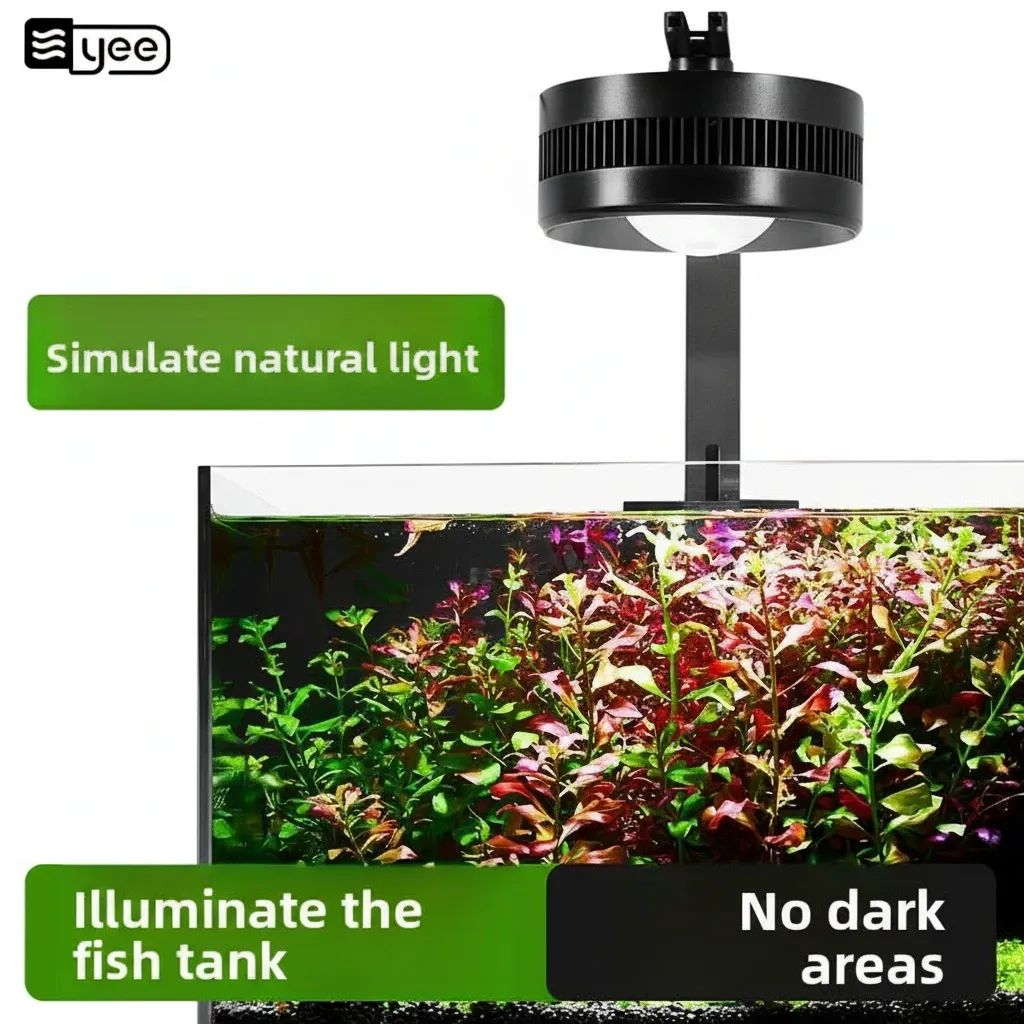
A well-maintained aquarium is more than just a hobby; it is a living centrepiece that brings a slice of the natural world into British homes. However, the difference between a dull, murky tank and a vibrant underwater ecosystem often comes down to a single factor: lighting. The led light bar fish tank setup has rapidly overtaken traditional T5 and T6 fluorescent tubes as the gold standard for UK aquarists, offering unparalleled clarity and energy efficiency.
In this guide, we will explore the technical specifications, aesthetic benefits, and practical considerations of choosing a premium LED light bar. Whether you are looking to enhance the shimmer of your tropical community tank or provide the precise spectrum required for a high-tech planted aquascape, understanding the nuances of LED technology is essential for long-term success.
Key Takeaways
- Energy Efficiency: Modern LED light bars use up to 80% less electricity than traditional fluorescent bulbs, a crucial factor given current UK energy prices.
- Full Spectrum Support: Quality bars provide a balanced spectrum of red, blue, and white light to promote plant photosynthesis and enhance fish colouration.
- Mounting Versatility: Suspended overhead illumination offers the best coverage and a sleek, modern aesthetic compared to internal or lid-mounted options.
- Durability: Look for IP67 or IP68 waterproof ratings to ensure the longevity of your investment in humid aquarium environments.
The Evolution of the Led Light Bar Fish Tank
For decades, British fishkeepers relied on bulky fluorescent hoods that generated significant heat and required bulb replacements every six months. The shift towards the led light bar fish tank represents a fundamental change in how we manage light penetration and heat dissipation. Modern LED arrays are designed to focus light downwards into the water column, reducing "light bleed" into the room and ensuring that even bottom-dwelling species receive adequate illumination.
At AQQA, we advocate for suspended overhead illumination. This method doesn't just provide exceptional clarity; it creates a wider coverage area that eliminates dark corners. For those looking for a comprehensive overview of how these systems integrate into a broader setup, our Ultimate Guide to Light Bar For Fish Tank in the UK provides a deep dive into system architecture.
Why LEDs Trump Traditional Lighting
The primary advantage of an LED light bar is its "directional" nature. Unlike a fluorescent tube that emits light in 360 degrees (requiring reflectors to bounce light back down), an LED emits light in a specific beam angle, usually between 60 and 120 degrees. This ensures that the energy you pay for is actually reaching your plants and fish.
Furthermore, the longevity of LED diodes is incomparable. While a T5 bulb loses its spectral quality within months, a high-quality LED bar can maintain its PAR (Photosynthetically Active Radiation) output for over 50,000 hours. In a typical UK household running lights for 8 to 10 hours a day, this equates to over 13 years of consistent performance.
Understanding the Spectrum: More Than Just Brightness
When shopping for a led light bar fish tank, many beginners make the mistake of looking only at "Lumens" or "Watts." While these are important, they do not tell the whole story. Lumens measure how bright a light appears to the human eye, but fish and plants care about the spectrum.
The Role of Kelvin and PAR
Kelvin (K) ratings determine the "temperature" of the light. A 6,500K light mimics natural daylight and is generally considered the "sweet spot" for freshwater tanks. Higher Kelvin ratings (10,000K to 20,000K) appear bluer and are typically used for marine environments to simulate deeper ocean waters.
PAR, however, is the most critical metric for planted tanks. It measures the light intensity within the wavelengths that plants use for photosynthesis. A premium light bar will provide a balanced PAR distribution across the entire length of the tank, preventing "hot spots" where algae might thrive while other areas remain in the dark.
"According to data from the Energy Saving Trust, switching to LED lighting in domestic settings can save the average UK household significant amounts on their annual electricity bill. In the context of an aquarium running 3,000+ hours a year, the ROI on a high-efficiency LED light bar is often realised within the first 18 months."
Design and Aesthetics: The Suspended Advantage
The modern UK home often prioritises minimalist design. Traditional aquarium lids can look bulky and dated. This is where the suspended led light bar fish tank setup shines. By mounting the light bar above the tank using adjustable brackets or hanging kits, you achieve several benefits:
- Heat Management: Heat is the enemy of LED longevity. Suspended bars allow for natural convection, pulling heat away from the diodes and the water surface.
- Ease of Maintenance: You no longer need to move a heavy hood every time you want to feed your fish or trim your plants. The open space allows for easy access.
- The "Shimmer" Effect: Because the light source is concentrated and positioned above the water surface, any surface agitation from your filter creates a beautiful, natural shimmering effect on the substrate, mimicking sunlight on a riverbed.
If you are currently using a lid but want to upgrade, you might find our guide on fish tank lids with integrated lights helpful for comparing the two styles. However, for a truly display-worthy finish, the overhead bar remains the professional's choice.
Technical Specifications to Look For
Not all LED bars are created equal. When browsing the UK market, ensure the product meets these specific criteria to guarantee safety and performance.
1. Waterproof Rating (IP Scale)
Aquariums are high-humidity environments. Even if the light isn't submerged, evaporation and splashing can damage internal circuitry. Look for a minimum of IP67 (protected against temporary immersion) or IP68 (completely waterproof). This is a non-negotiable safety feature for any electronic device positioned near water.
2. Colour Rendering Index (CRI)
CRI measures how accurately a light source reveals the true colours of an object compared to natural sunlight. For a vibrant community tank featuring Neon Tetras or Discus, a CRI of 85 or higher is recommended. This ensures the reds, blues, and oranges of your fish "pop" rather than looking washed out under cheap, cool-white LEDs.
3. Programmability and Dimming
The led light bar fish tank should ideally offer a "sunrise and sunset" feature. Abruptly turning high-intensity lights on or off can stress fish, leading to health issues and suppressed immune systems. A gradual ramp-up period mimics the natural cycle of the wild and is much more pleasant for the hobbyist to witness.
For more detailed technical breakdowns, refer to our Led Light Bar Aquarium Buyers Guide, which categorises lights by tank size and plant demand.
Installation and Safety in the UK
In the UK, electrical safety is paramount. All aquarium equipment should be used in conjunction with a Residual Current Device (RCD). This is a safety device that instantly breaks the electric circuit if it detects a leakage of current to earth, potentially preventing electric shocks.
When installing your light bar, ensure that the "drip loop" method is used. This involves allowing the power cable to hang lower than the socket, ensuring that any stray water droplets running down the cable will drip off the bottom of the loop rather than entering the electrical outlet.
Positioning for Maximum Growth
For most standard rectangular tanks, the light bar should be centred perfectly over the width of the glass. However, if you have a "planted street" or a specific aquascape design, you may want to offset the bar to highlight certain features. Suspended bars offer the flexibility to adjust the height; lowering the bar increases light intensity (PAR) but reduces the spread, while raising it provides a more uniform, softer light across the entire tank.
The Impact on Fish Health and Behaviour
It is a common misconception that lighting is only for the benefit of the plants or the owner's view. Fish rely on light cycles to regulate their biological clocks (circadian rhythms). Consistent lighting patterns help reduce stress and encourage natural behaviours such as spawning and foraging.
In some cases, specific spectrums can even aid in the recovery of sick fish. While not a replacement for veterinary care or NHS-level precision in medicine, providing a stress-free environment with high-quality lighting supports the overall wellbeing of your aquatic pets. Poor lighting can lead to lethargy and a dulling of the scales, which are often the first signs of a declining ecosystem.
Cost-Benefit Analysis for the British Hobbyist
While the initial purchase price of a premium led light bar fish tank may be higher than a basic clip-on light, the long-term savings are significant. Let's look at the numbers:
- Replacement Costs: Fluorescent tubes (£15-£25 each) need replacing every 6-9 months. Over five years, that is at least £150 in bulbs alone. An LED bar requires zero bulb changes.
- Electricity: A 4ft T5 setup might pull 108W. A comparable LED bar provides better penetration at just 45W. Over a year, this can save a UK hobbyist between £40 and £70 on their energy bill depending on their tariff.
- Algae Control: Cheap lights often have "spectral spikes" in the green and yellow ranges which algae love but plants cannot use. By investing in a light with a refined spectrum, you spend less money on algaecides and less time scrubbing glass.
To see how these savings compound over time, check our pillar article: The Ultimate Guide to Light Bar For Fish Tank in the UK.
Conclusion: Elevating Your Aquascape
Choosing the right led light bar fish tank is the single most impactful upgrade you can make to your aquarium. It transcends mere utility, turning a glass box into a vibrant, high-definition display. By focusing on suspended overhead illumination, you ensure that your tank benefits from wider coverage, exceptional clarity, and a sleek finish that complements modern British interiors.
At AQQA, we specialise in premium lighting solutions that bring out the best in your aquatic environment. Our range of LED light bars is engineered for durability, spectral precision, and aesthetic elegance.
Ready to Transform Your Aquarium?
Experience the AQQA difference with our professional-grade LED Light Bars. Exceptional clarity and wider coverage are just a click away.
Shop the LED Collection NowFrequently Asked Questions
1. How many hours a day should I leave my LED light bar on?
For most community tanks, 8 to 10 hours is ideal. If you start to notice excessive algae growth, try reducing the "photo period" to 6 or 7 hours until the tank balances out. Using a timer or a programmable LED bar is highly recommended for consistency.
2. Can I use an LED light bar on a tank with a lid?
Yes, many LED bars come with adjustable brackets that can sit on the glass rim under a lid. However, ensure there is adequate ventilation to prevent heat build-up, and check that the light has an IP67 or IP68 rating to handle the trapped moisture.
3. Do LED lights help aquarium plants grow?
Absolutely. In fact, modern LEDs are often more effective than traditional lights because they can be tuned to the specific red and blue wavelengths that drive photosynthesis. Look for "Full Spectrum" LED bars for the best results with live plants.
4. Is a 24/7 cycle necessary for fish?
While not strictly necessary, a 24/7 cycle that includes a dim "moonlight" phase is beneficial. It prevents the shock of sudden light changes and allows you to observe nocturnal fish species without disturbing their natural patterns.
Ready to upgrade your display with AQQA Aquatics?
Explore Lighting — £121.34